Travel Tales
Project Hollow Tree – Reviving Rural Japan part 2
Pictures by Jan Gruber & Max de Bever
On the 3rd of July 2025, the adventure finally began. With our bags packed and excitement high, we made our way to Munich Airport. Our journey would take us first to Hong Kong, then Seoul, before finally arriving in Japan for the World Expo and, most importantly, our time in rural Hayakawa in the Yamanashi prefecture.
First Stops: Hong Kong and Seoul
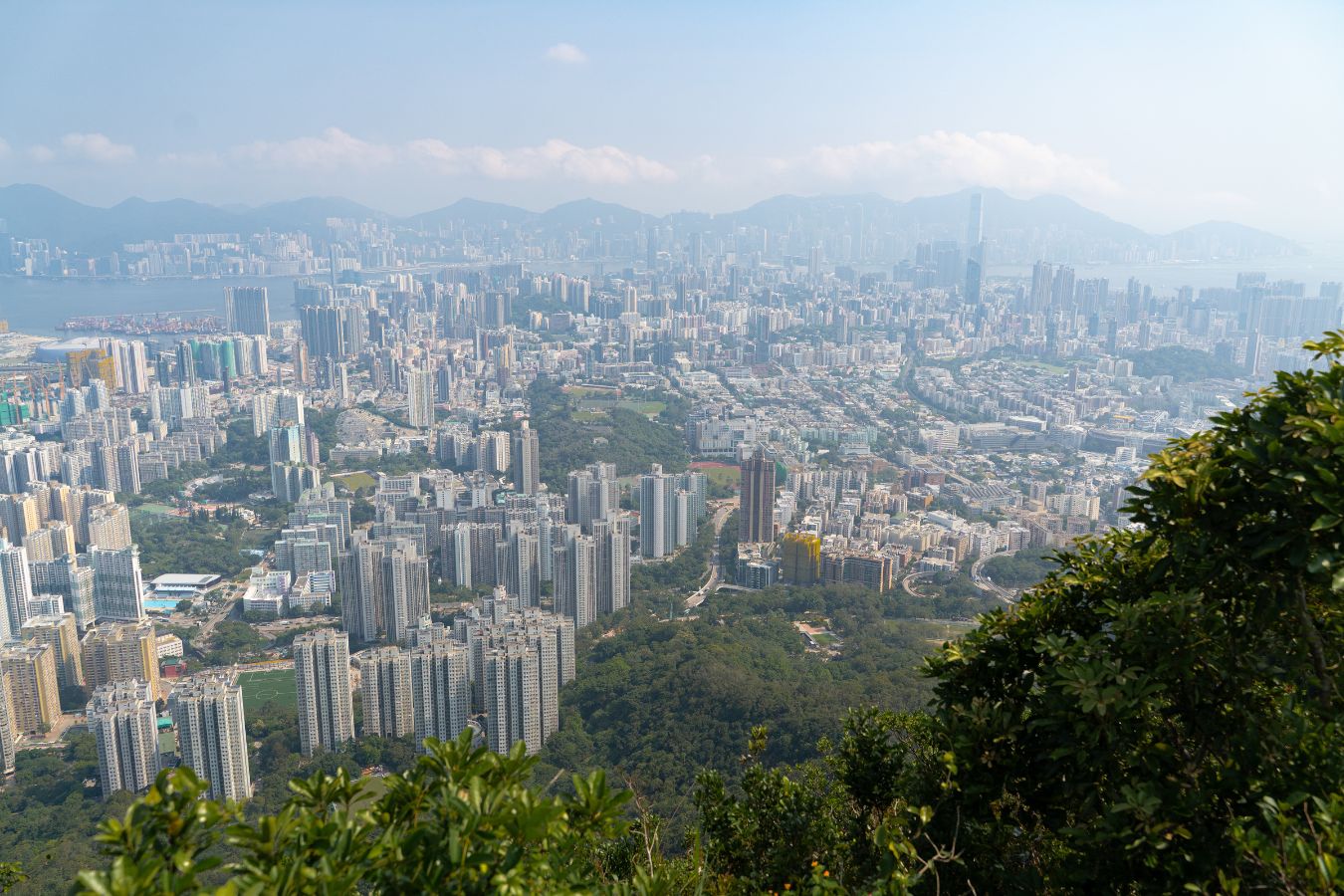
After landing in Hong Kong after two flights, we checked into a small hotel in the city center that was affordable, convenient, and perfect for exploring. For four and a half days, we immersed ourselves in the exhilarating city: dim sum and noodle shops, hidden stores stacked across different levels of old buildings, and classic sights like Victoria Peak. We even challenged ourselves with a hike up to Lion Rock Country Park. It was sweaty and exhausting, but the panoramic views over Hong Kong were unforgettable.
 From there, we continued to Seoul, South Korea, where we followed a similar itinerary: local food, cultural exploration, and museum visits. We had also just purchased new cameras in Hong Kong, so our days in Seoul became a chance to practice photography before the real work in Japan began.
Osaka and the World Expo
Even though we just experienced two very overwhelming cities, Osaka somehow felt different, there was a certain calmness to the city, the city is more compact and our smaller accommodation pushed us to be efficient with our luggage. A day before heading to the World Expo, we gave ourselves a break from the city by visiting the Katsuoji Temple, famous for its countless Daruma dolls. Light rain made the visit calm and atmospheric and we were able to fully reset before the challenge of the World Expo began.
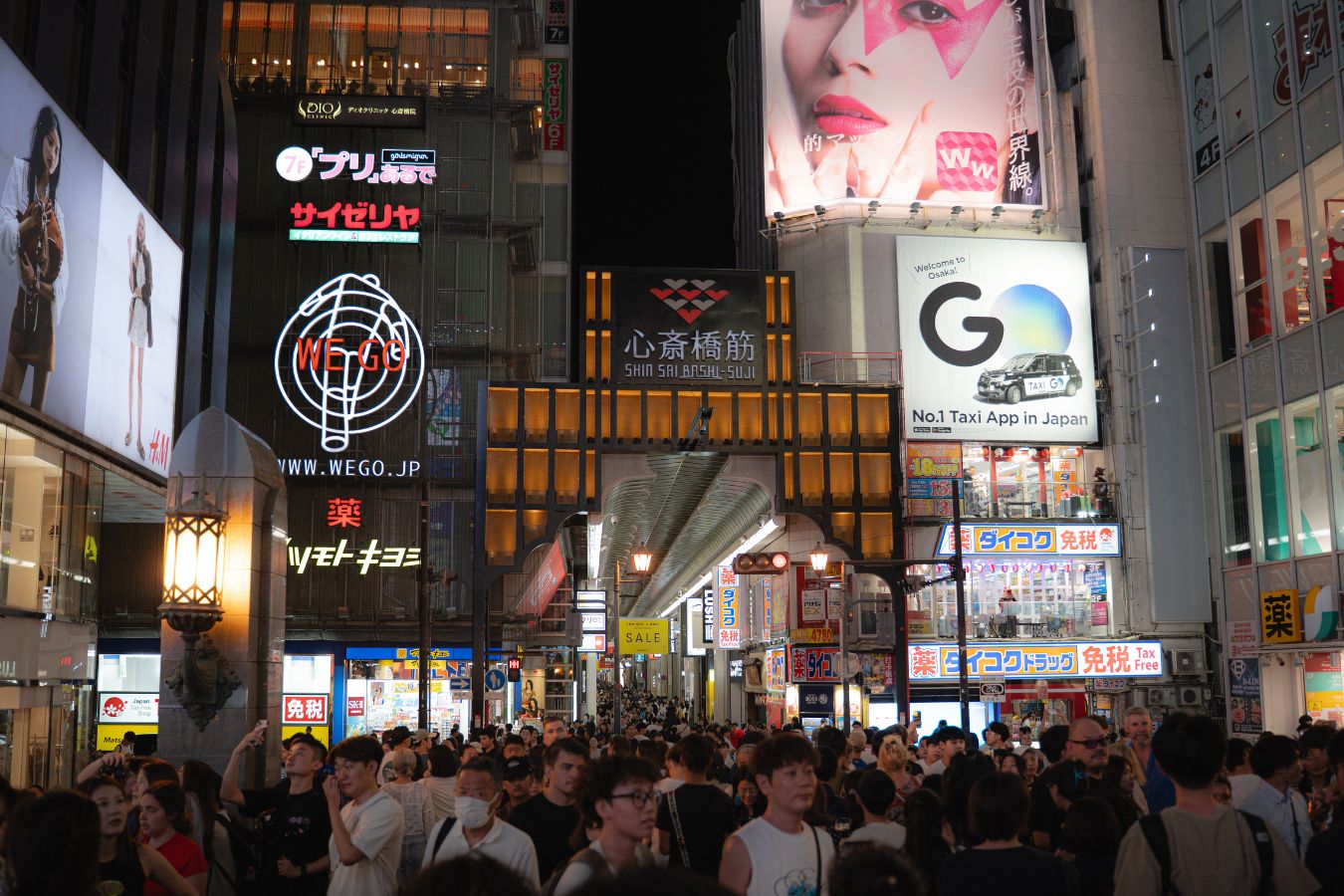
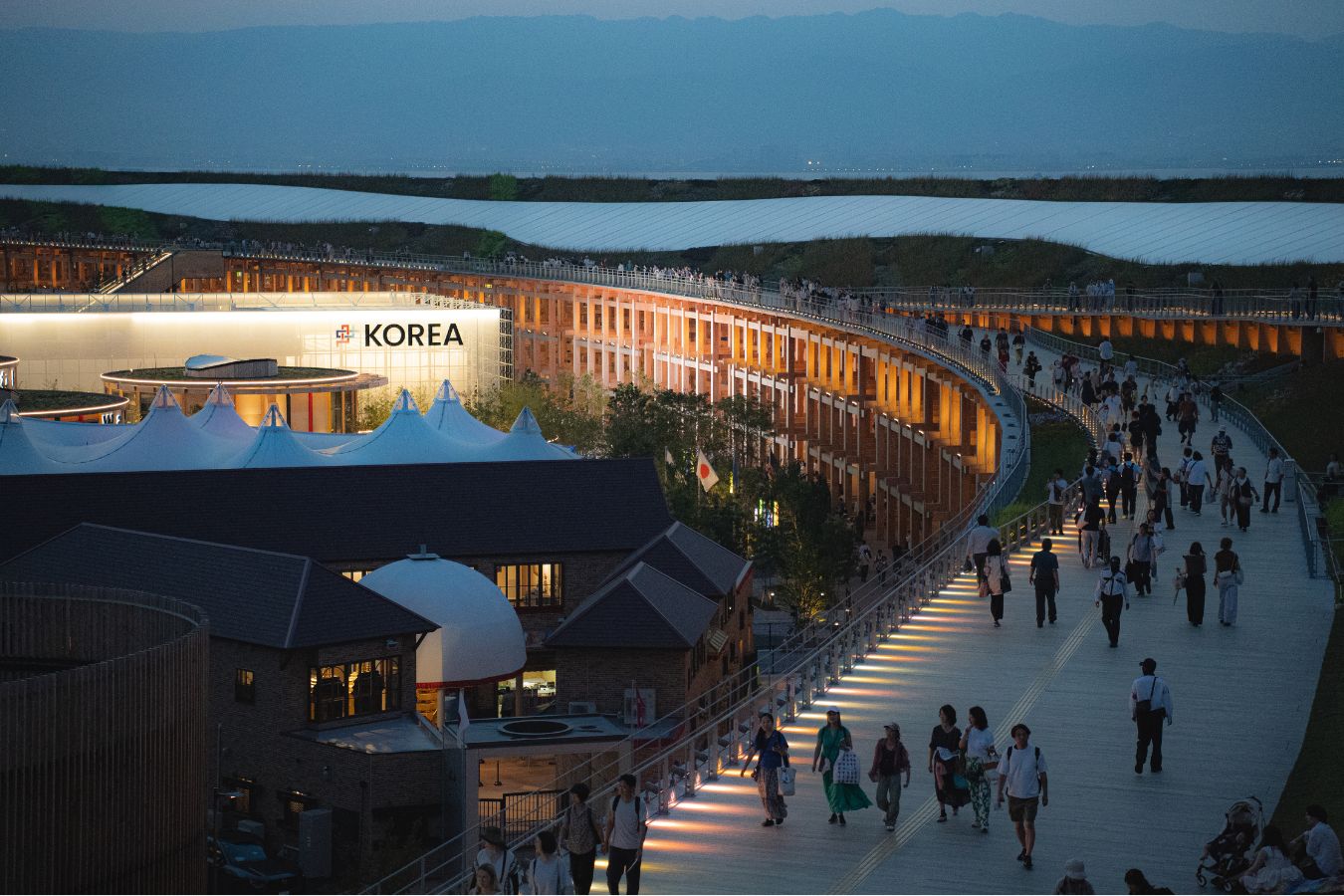
The following day, we finally entered the World Expo Osaka. Walking through the gates felt like arriving at a festival: a massive entrance, security checks, long queues, and an excited crowd of around 150,000 people. We began at the Kazakhstan pavilion, where we were shown a heart-lung machine that can keep hearts beating outside the body. Over the day, we made our way through various pavilions, filling up our Expo passports with stamps from countries around the world.
Note: Japan is known for its stamps at various sights and locations, this concept is incorporated into the Expo and by purchasing a little “Expo passport” you can collect stamps from various countries.
One highlight was the Netherlands pavilion. The line stretched for far over an hour in 35°C heat, but after explaining Max’s Dutch nationality to a friendly security guard, we were unexpectedly granted entrance. Inside, we experienced interactive installations and the pride of seeing one of our home countries represented.
Evenings at the Expo ended with a spectacular show. The fountain performance, a symphony of water, lights, and music, felt like something from a Disney park. During the rest of the trip, we would continue to listen to the final show’s soundtrack “Under the Midnight Rainbow” every now and then.
On the second day, we took turns to explain our project to a worker at each pavilion, like we did at the Netherlands pavilion. This enabled us to see far more, as 8 out of 10 pavilions granted us priority access after we had explained our project. That night, the final show included a surprise drone show hovering over the Expo grounds, a breathtaking and unexpected moment.
Kyoto in a Day
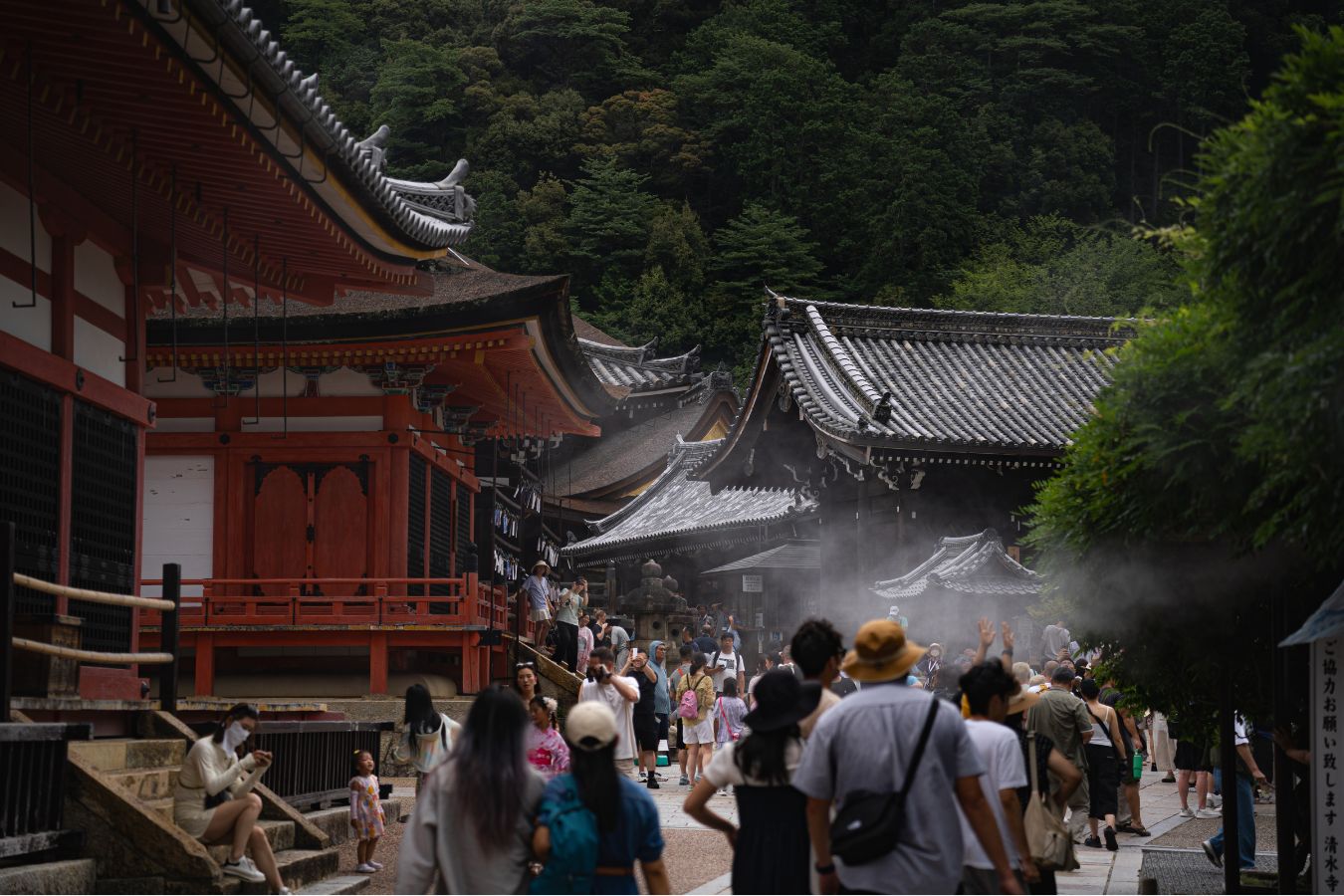
From Osaka, we took a short trip to Kyoto. Many had recommended it, but visiting in the peak tourist season made it feel overwhelming. Temples were crowded, buses packed, and the streets filled with people. While the architecture and history were impressive, the amount of visitors made the experience exhausting. By the end of the day, we agreed that one day in Kyoto was enough and returned to prepare for the real focus of our project: rural life.
Into the Mountains: Hayakawa Town
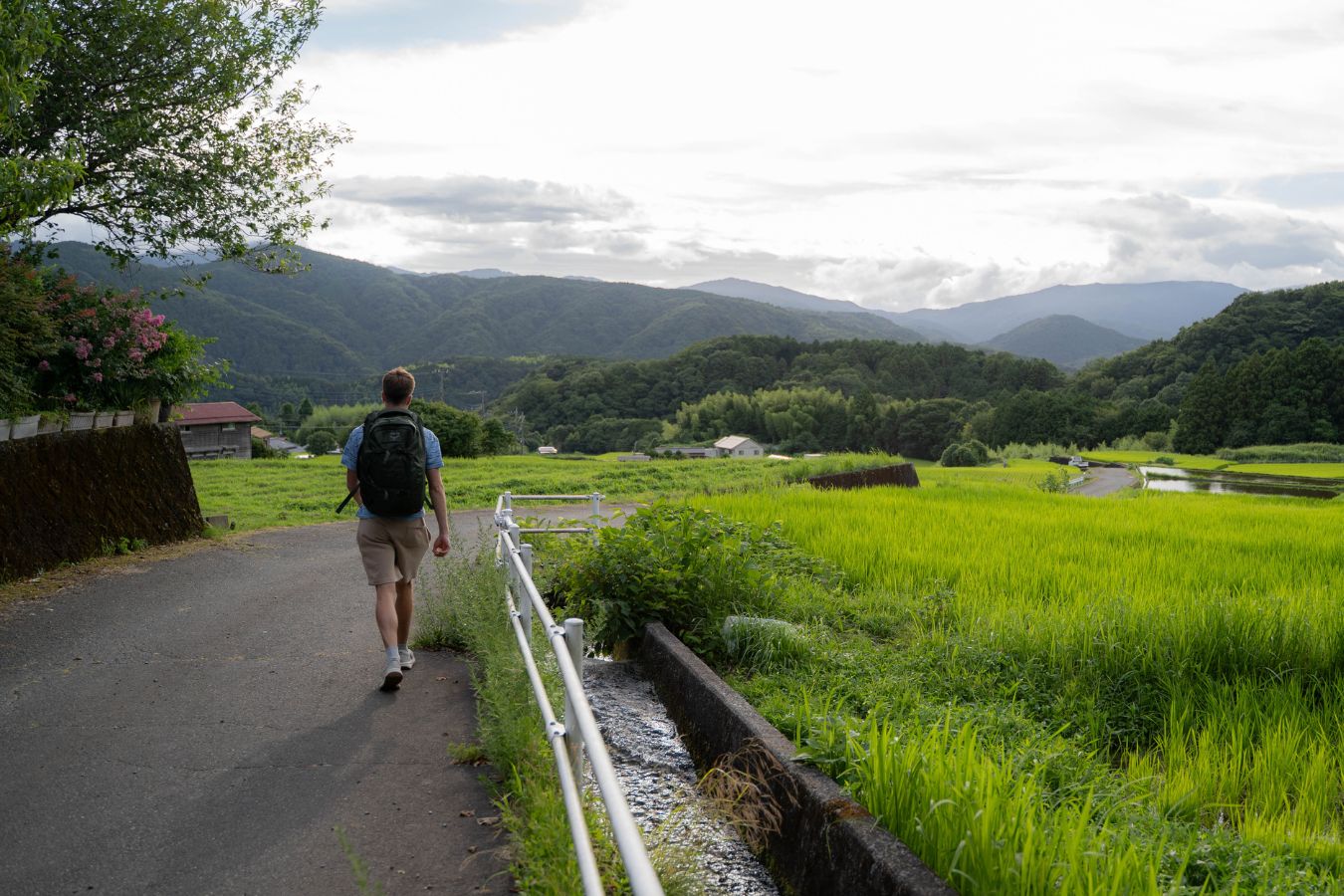
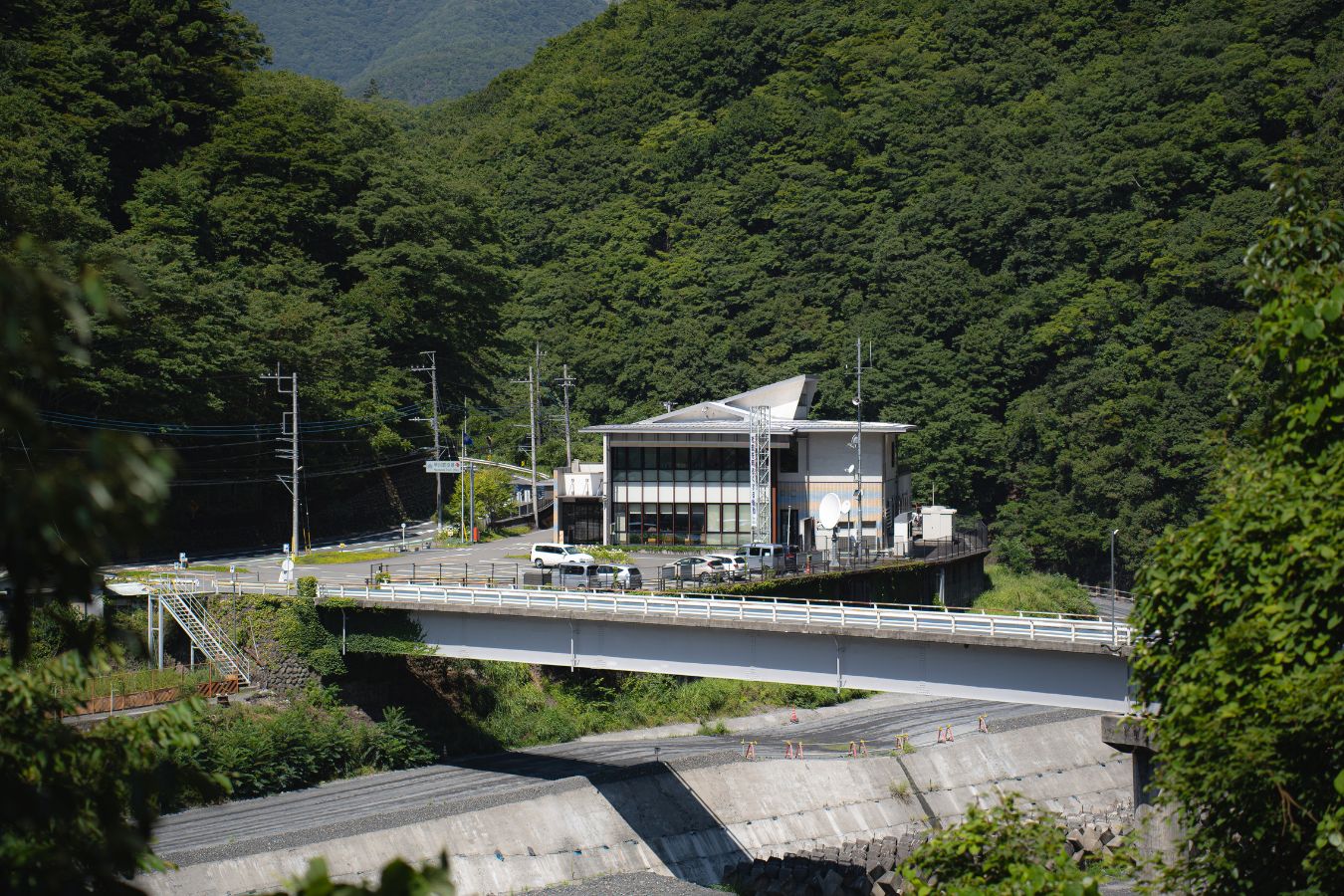
From Kyoto, we traveled toward the Southern Japanese Alps, picking up a rental car in Shizuoka. That evening, we stayed at a hotel with our first onsen experience, the hot spring baths. Max, not yet familiar with the ritual, stumbled through the etiquette with a couple of mistakes but still left refreshed. The next morning, nervous but eager, we drove into Hayakawa Town, where our three-day itinerary would start. At the town hall, we were introduced to Takahiro “Taka” Miyamoto, our guide. He welcomed us warmly and immediately began explaining the challenges of rural decline in Hayakawa: population loss, aging residents, and the struggle to maintain community life.
Meeting the People of Hayakawa
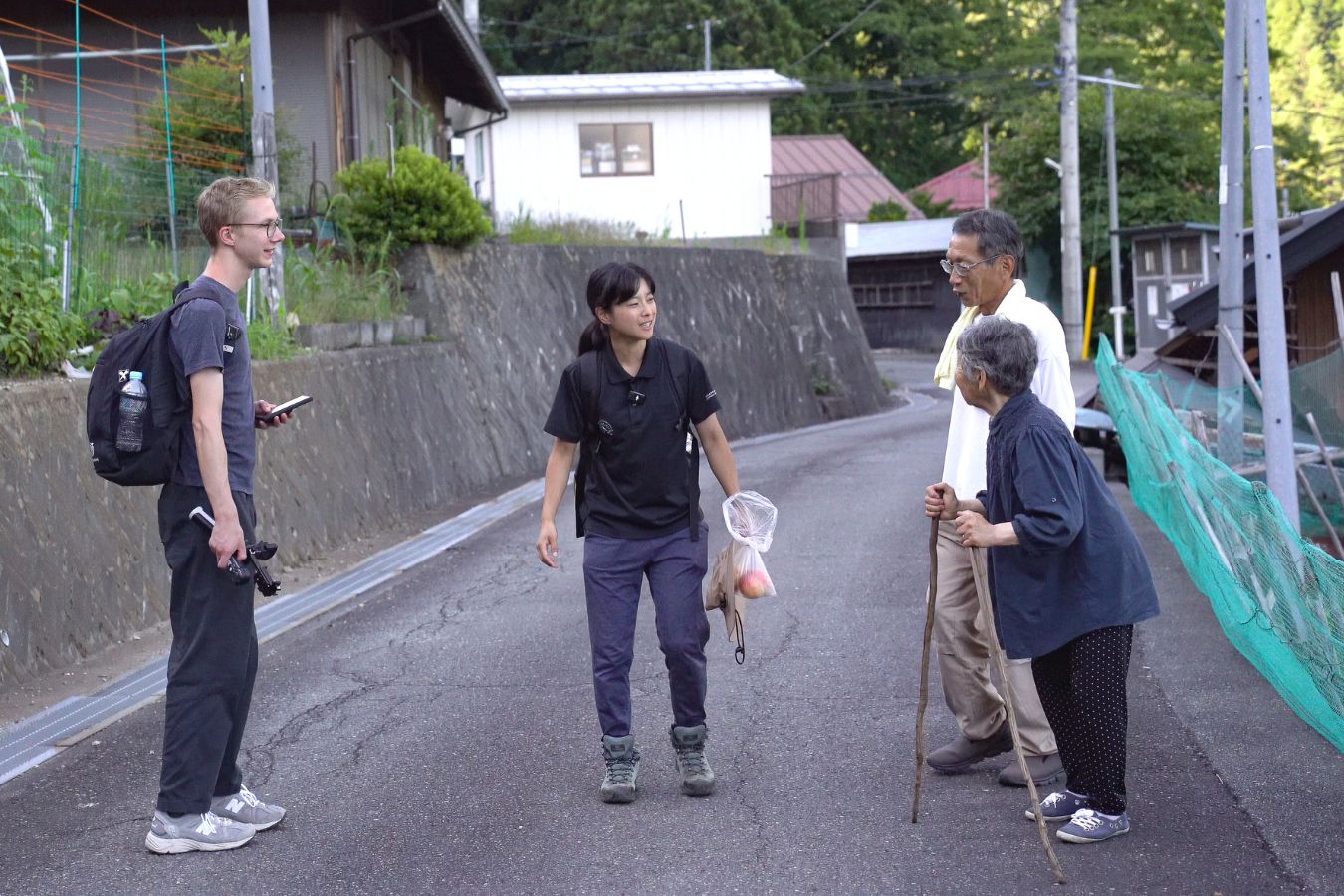
Over the following days, Taka guided us to meet a range of locals:
- Nonio Miyashita and his father-in-law, who worked for an IT company offering remote-work retreats in Hayakawa, showing how urban professionals could reconnect with rural life.
- Masaaki Sano, a retired man balancing volunteer work, family care, and food production, a beautiful example of resilience in an aging town.
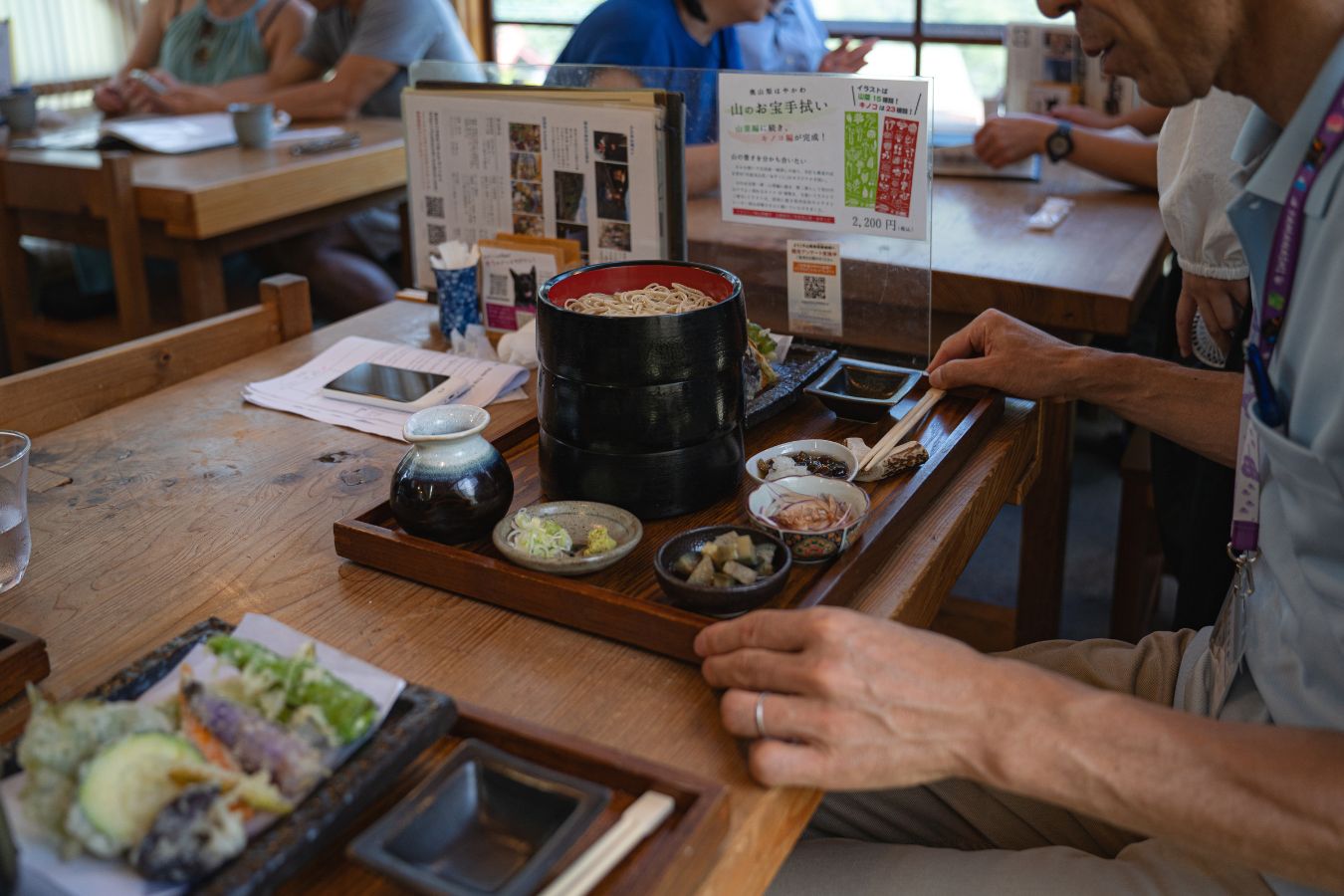
- Daisuke Kurauchi, a soba chef and multi-business owner, who shared insights into the realities of running a business in such a remote area. His soba noodles, made from local produce, were some of the best we tasted on the trip.
- Aya Oki and Kei Muaramatsu, social workers supporting local farmers.
One of the most memorable encounters was with 89-year-old Toshiko Mochizuki, who welcomed us into her home with fresh cucumbers, peaches, and tea. Despite her age and isolation, her spirit was lively, inspiring and energetic. We also visited a former school turned into a hotel and environmental education center, met with town officials, and explored communities struggling to keep traditions alive.
Rural Activities
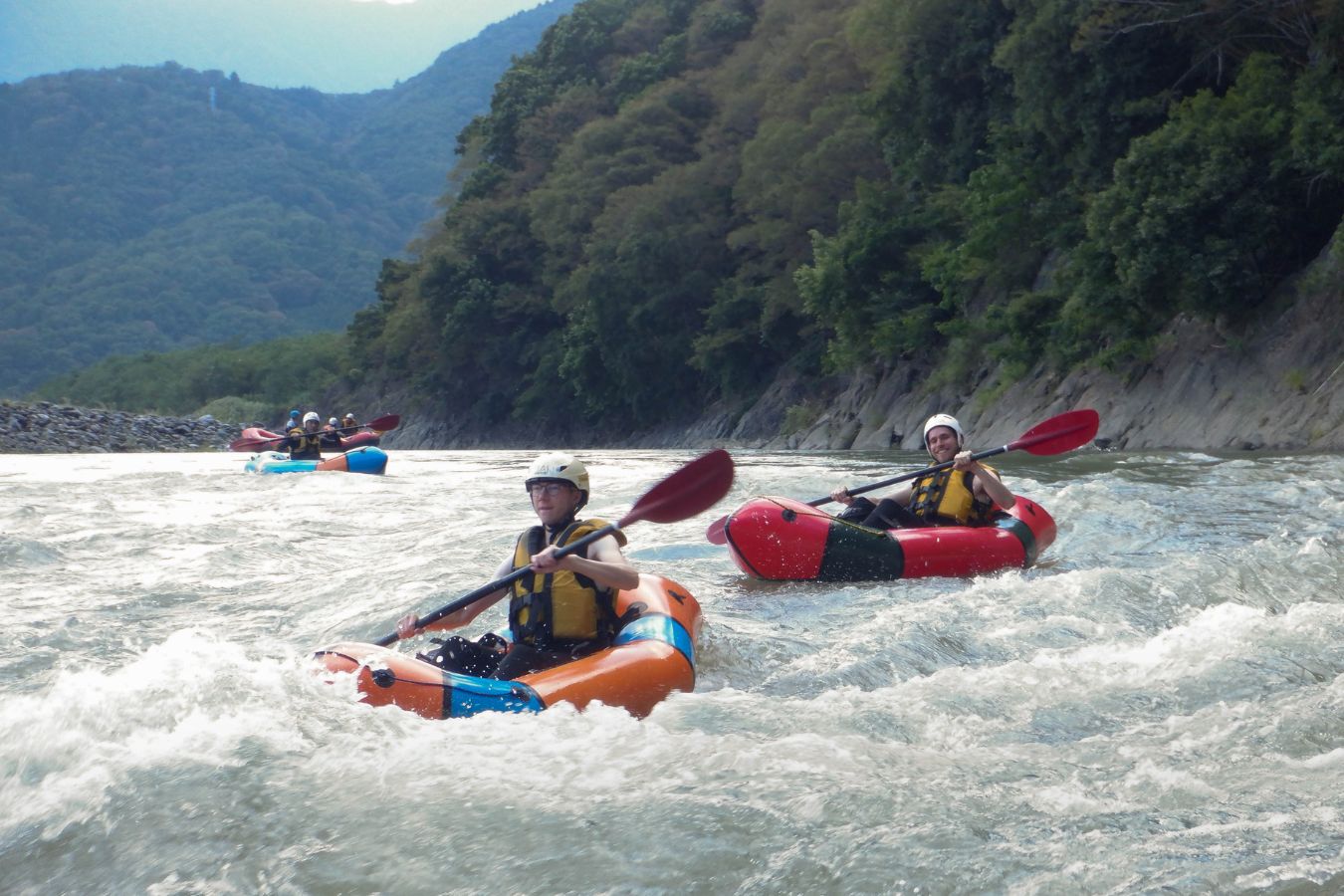
Hayakawa offered not only conversations but also experiences. We toured a mushroom farm, carved ink stones at a local museum, and even went kayaking down the Fuji River. The river adventure was thrilling, both Max and Taka ended up underwater at one point but were able to recover quickly. This activity showed us a different, playful side of rural life. The rafting and kayaking were a highlight, thrilling, refreshing, and unlike anything we expected from rural Japan. After drying off, we sat down with Takeshi Okubo, the rafting company’s owner, along with two of his seasonal employees from Nepal, Pdam Gurung and Binod Shrestha. Their presence showed us how even the most remote corners of Japan are connected globally through opportunity and work. The interview gave us many valuable insights about what it’s like to run a business focused on tourism in a place with hardly any tourism. Okubo faces many challenges that have led him to seek out help from the community and from town hall politicians. We were very grateful that he was so outspoken about his ideas for the future of tourism in the area.
The following days continued to surprise us:
- At the Ink Stone Museum, we carved our own stones while learning from Hajime Amano and his apprentice Hiroki Nakagawa about the centuries-old tradition of calligraphy tools.
- Over multiple interviews, we heard about farming challenges, family responsibilities, and the creative ways locals sustain themselves.
- Meals often became interviews too, like with the soba chef or the Narada community members keeping local dialect and traditions alive.
Every encounter deepened our understanding of how rural life survives, not through one solution, but through resilience, adaptability, and a tight community.
One of the most nerve-wracking but rewarding moments was meeting Mayor Hajime Fukasawa and Vice Mayor Shingo Hasegawa. Before starting the interview, we were nervous about the formal setting at the town hall and the deeply rooted traditions and customs of respect and politeness in Japanese culture. This quickly gave way to an open conversation about the past, present, and possible future of Hayakawa. Having done extensive research about Hayakawa town and rural Japan before arriving there, and also thanks to the interviews we did prior to meeting the mayor, we were able to ask deeper, more targeted questions.
The mayor and vice mayor also reminded us that rural decline isn’t just about numbers or abandoned houses. It’s about preserving culture, identity, and the bonds that hold communities together.
Among the many experiences, a few stood out:
- Onsens: after a day of exploring, soaking in hot spring water became a moment of peace. By our second visit, we finally learned how to do it “properly.”
- Traditional cuisine: from soba noodles to Hōtō miso stew, from delicate fish to freshly harvested mushrooms, food was always an expression of local pride and creativity. We were amazed by the consistently great taste, quality and diversity of food.
- Yushima’s Great Cedar Tree: standing at the base of this centuries-old giant tree, performing a small ritual led by Taka at the shrine next to it, gave us a sense of timelessness. It was a reminder of how human lives, communities, and traditions exist within a much longer story of place and nature.
After Hayakawa
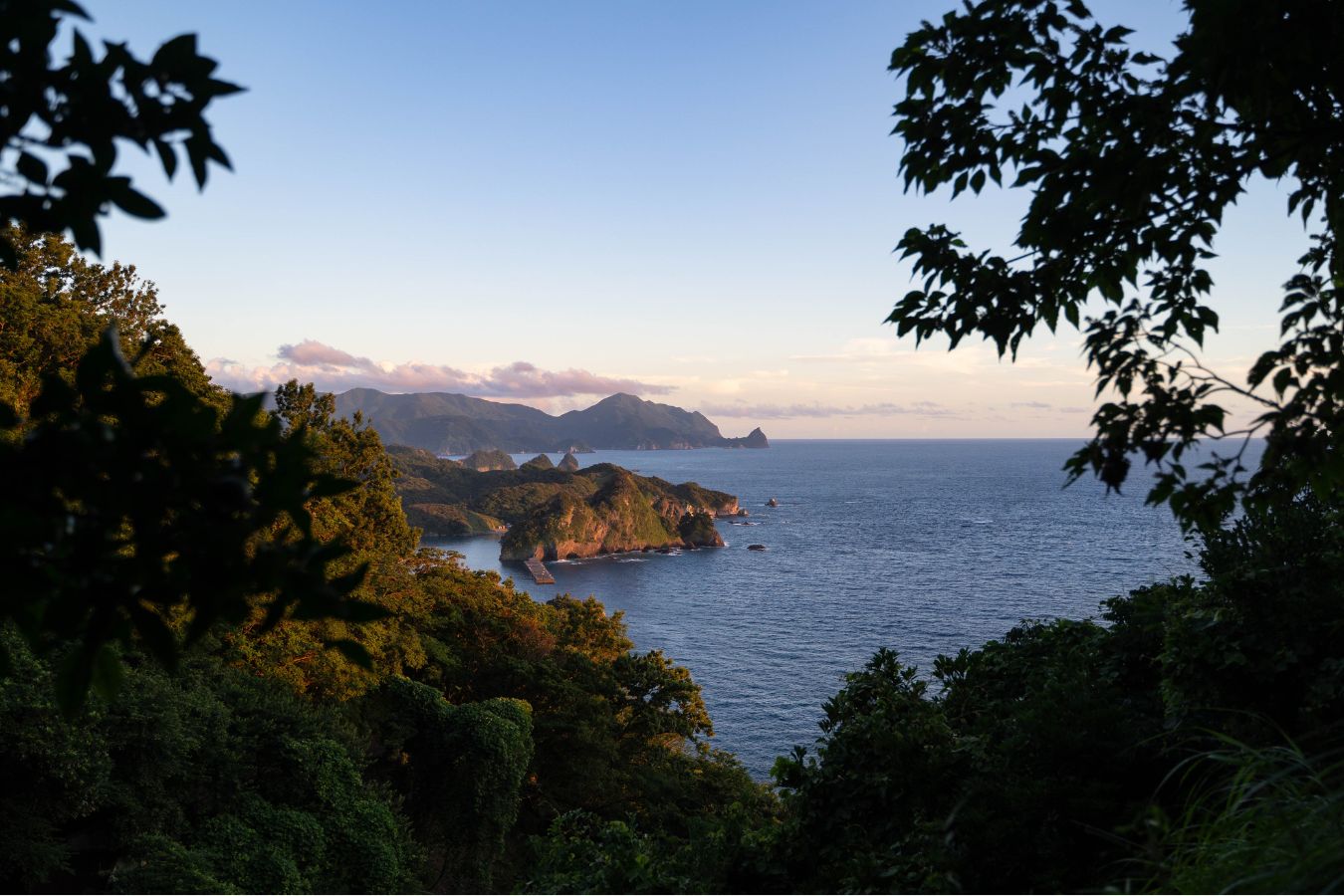
Leaving Hayakawa was bittersweet. The three days were dense with encounters, stories, and emotions, far more than we had imagined when first drafting our project proposal. Saying goodbye to Taka was especially difficult, since without him, we wouldn’t have been able to make the connections or experience the things we did. But the trip continued. With our car, we explored Mount Fuji, wandered through the Izu Peninsula, and stumbled into unexpected adventures: snorkeling at small hidden beaches, slipping through a gap in a fence to swim under the refreshingly cold, and beautiful Kawazu Seven waterfalls, and even visiting a surreal “museum” of decaying pop culture artifacts in an abandoned botanical garden.
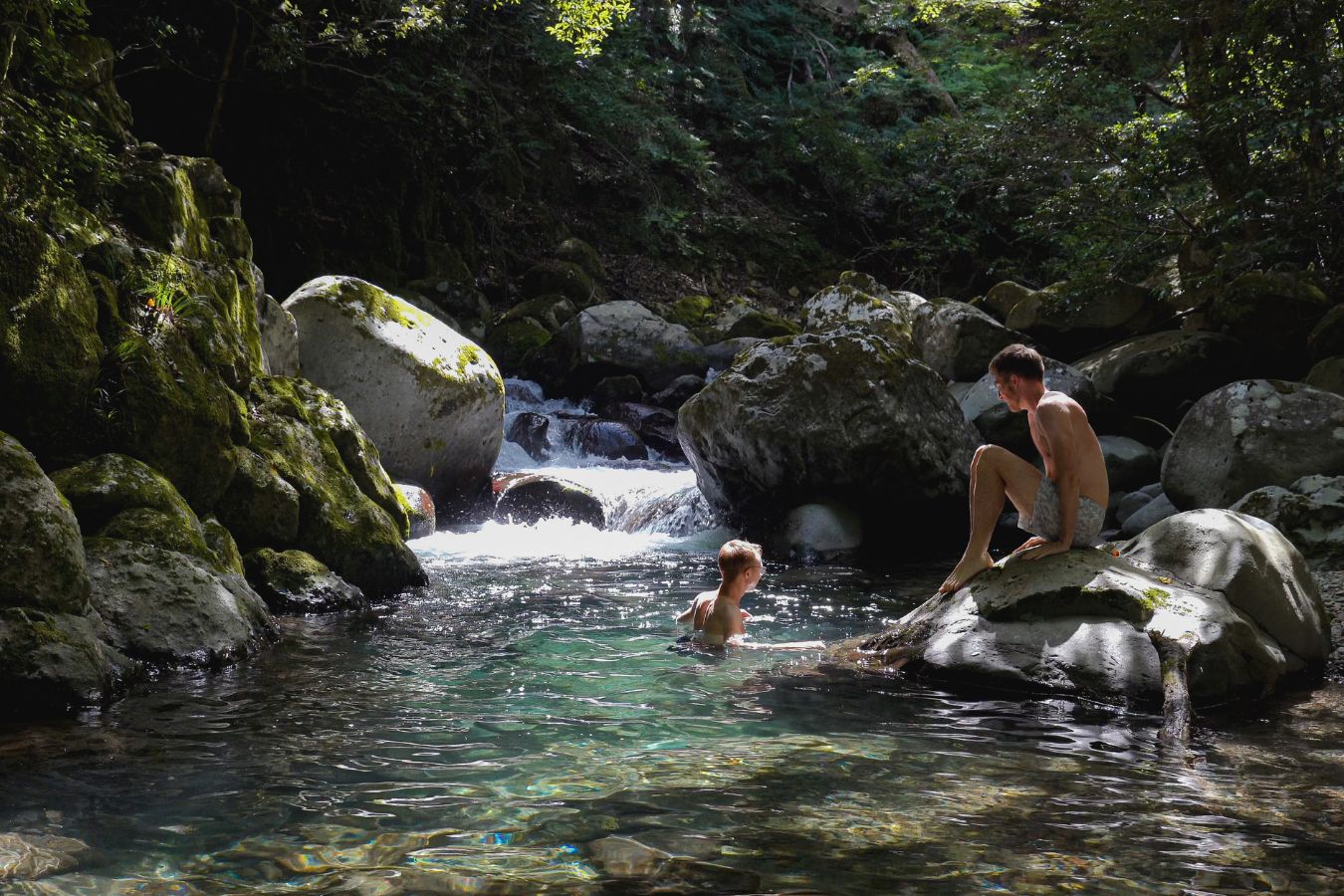
Some days were calm, others chaotic, like trying pachinko for the first (and last) time, or arriving at a guesthouse that came with a record player in our room. But each day was full of unique experiences and lots of things we would have never expected to see in Japan.
The Final Chapter: Tokyo
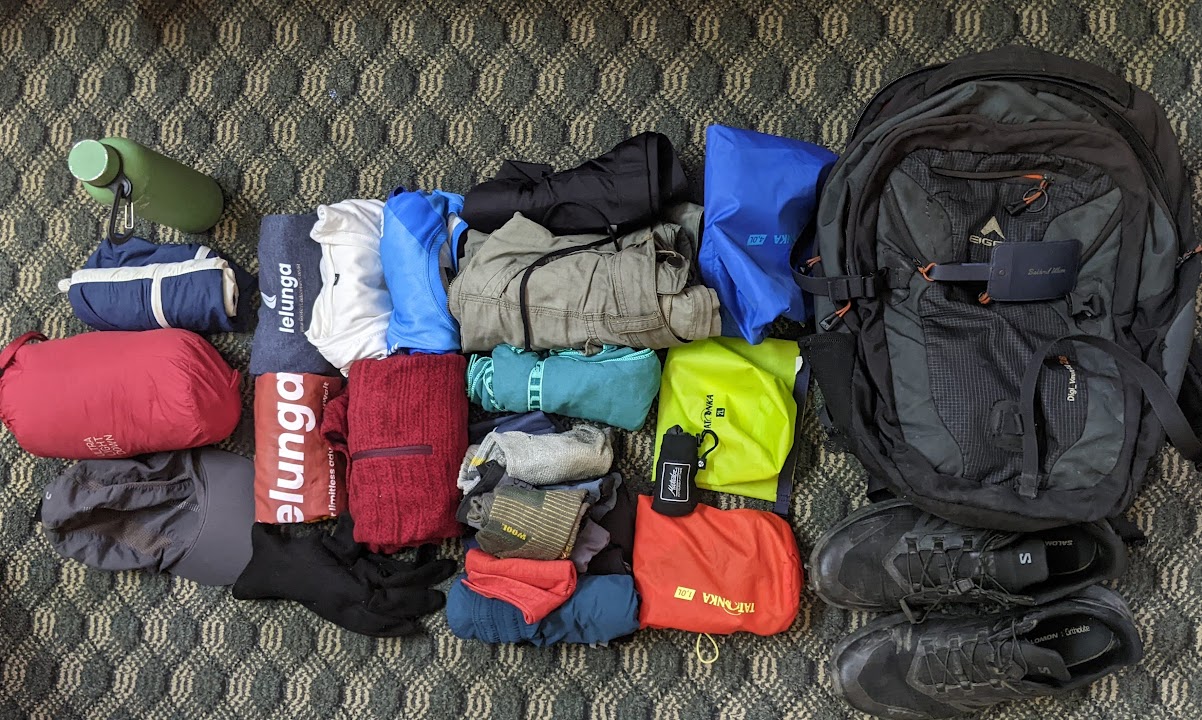
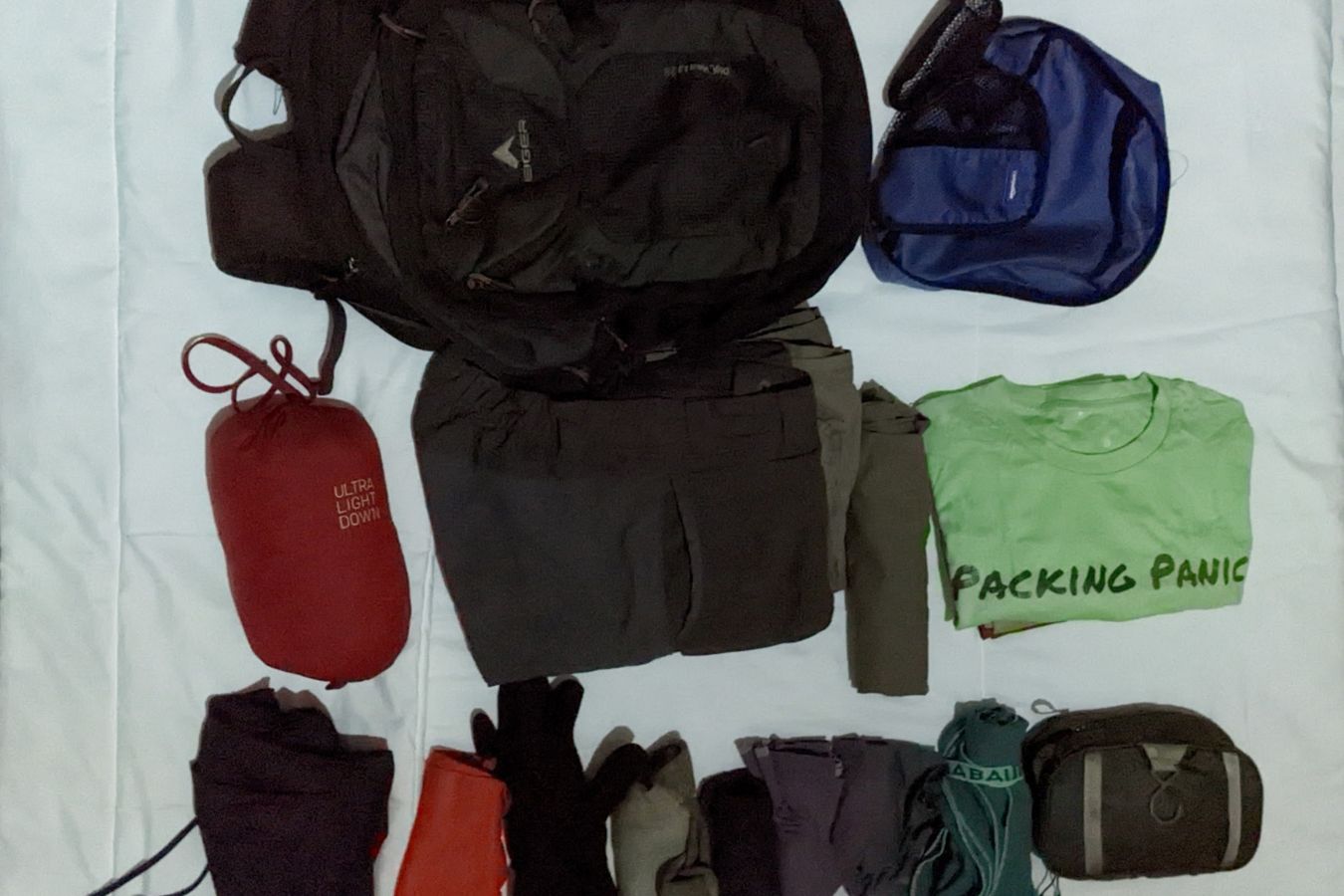
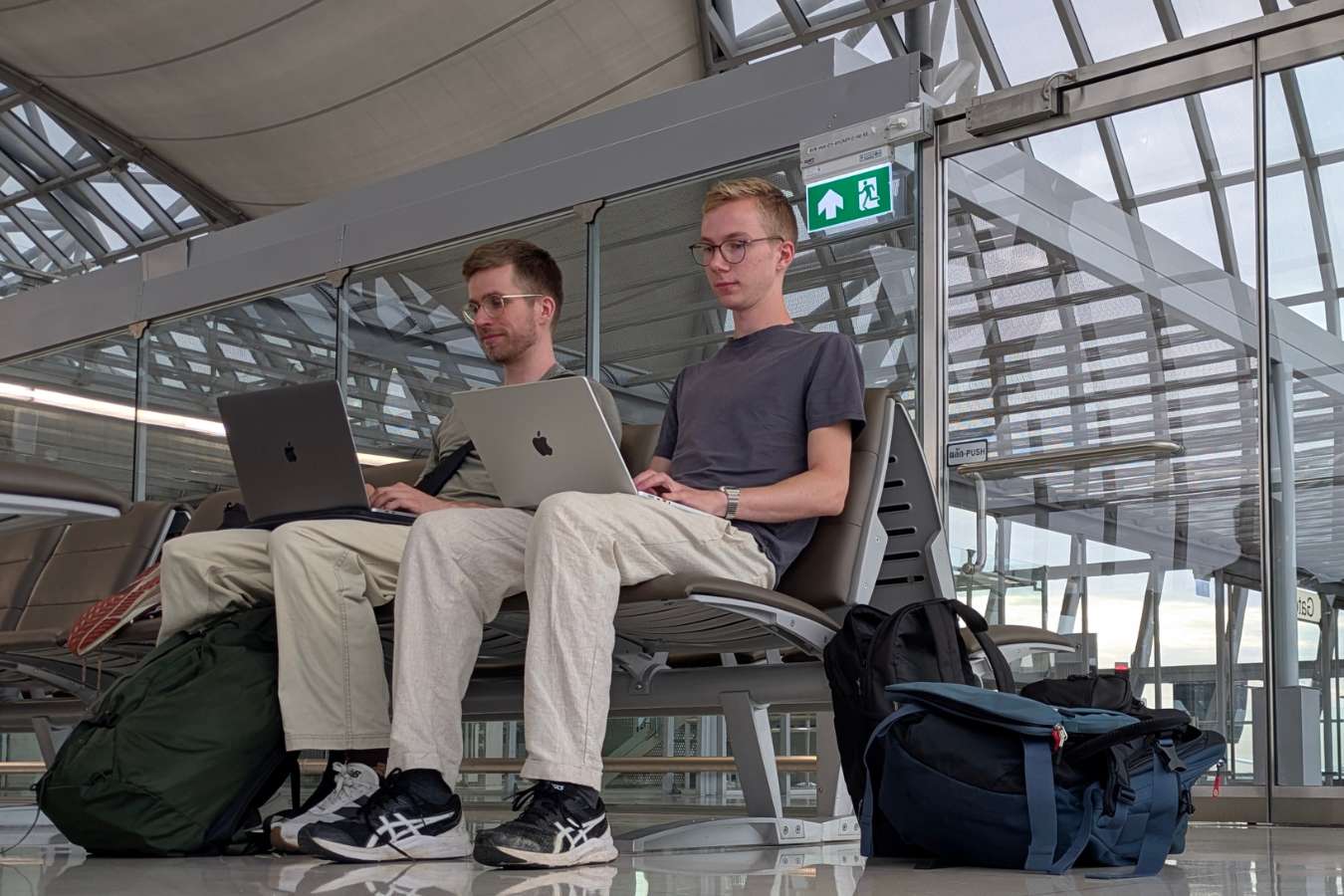
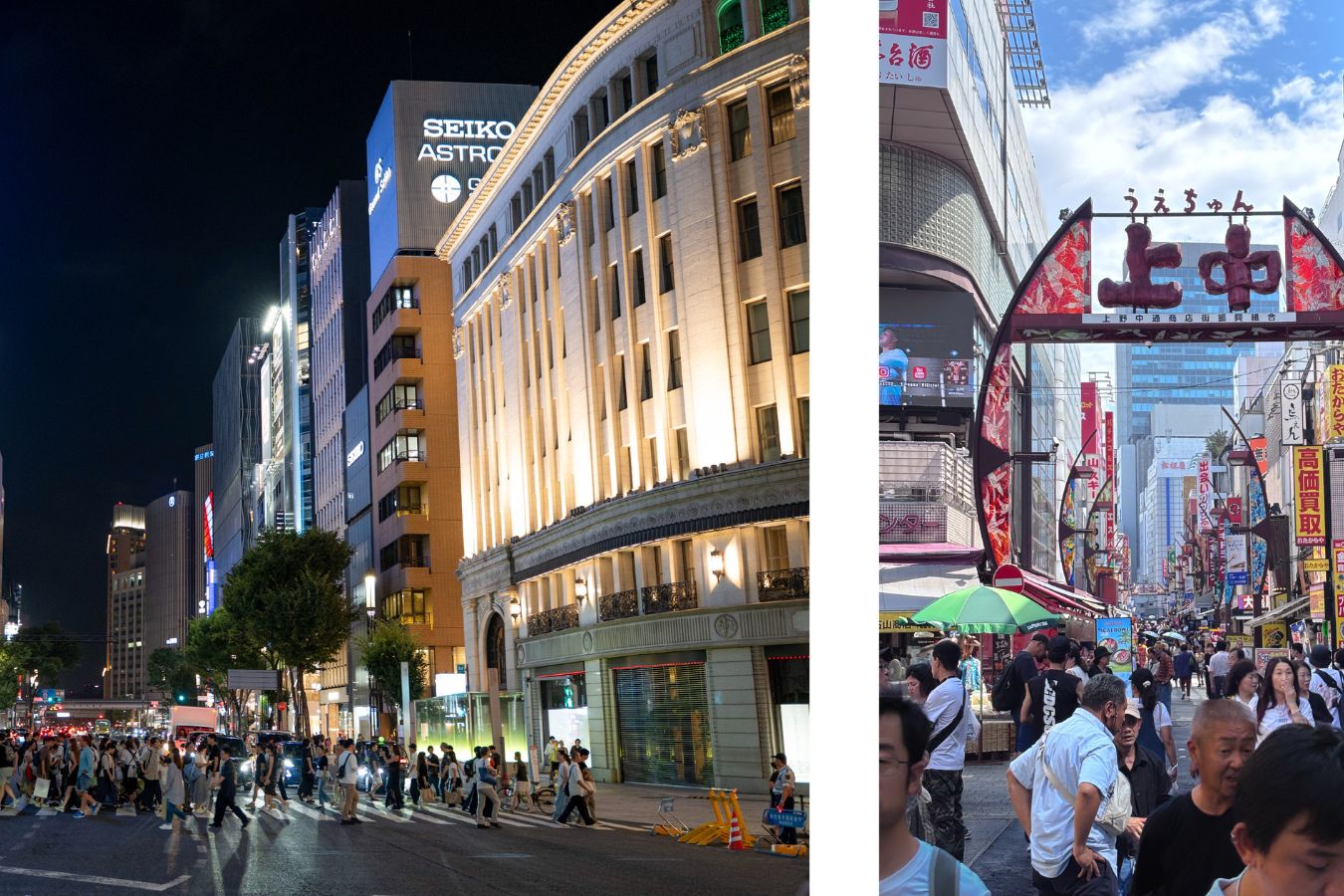
Our last stop was Tokyo, where we switched between hostel chaos for three nights and the comfort of a proper hotel for the last couple of nights. The city offered a thousand experiences at once: nightlife, arcades, TeamLabs Planets, quiet ramen bars hidden in basements, and endless shopping streets. Since there was so much for each of us to see, we often split up to chase our individual interests, regrouping for dinner to share what we’d discovered. Yet even with multiple days in Tokyo, we felt like we eventually ran out of time, we barely scratched the surface of what Tokyo has to offer By the end, our bags were filled with gifts, souvenirs, and new equipment. With the extra suitcase and the flexible packing system we’d worked out together with Packing Panic before departure, we managed to pack everything without stress. On the final morning, we zipped our backpacks shut one last time, ready to return home.
Looking back
This journey showed us more than we could have hoped for. From the futuristic visions at the World Expo to the grounded, resilient lives in Hayakawa, we saw both the challenges and the possibilities of rural life. The trip also convinced us to pursue an exchange semester in Japan for a couple of months.
Things didn’t always go smoothly: bookings fell through, the weather hid Mount Fuji from us, and we had to improvise more than once. But overall, the experience was memorable, and we were grateful for the flexibility, efficiency, and comfort our packing system gave us along the way.
Alongside the big impressions, there were also small, quiet moments that stayed with us: soaking in onsens, sharing traditional meals, or taking part in the ritual at Yushima’s Great Cedar Tree. These moments reminded us of the minimalist side of Japanese culture, where simplicity and restraint create space for authenticity and connection. It gave us a view of how rural life, often built around limited resources, can reveal what is essential. In that sense, the trip also reminded us of Packing Panic’s values of travelling light and focusing on what really matters. More importantly, we returned with stories not just about places, but about people: their struggles, their creativity, their sense of community, and their hopes. That is what will stay with us the longest.
Our goal is to eventually gather all our findings, inspiration and trip details into a book and digital platform. Would you like to stay up to date and see more of our trip in the future? Check out our Instagram: @projecthollowtree.
Related